
Close Menu
Paul Corin MusicPaul Corin Music
    Facebook X (Twitter) Instagram
    Saturday, October 10
    Facebook X (Twitter) Instagram
    Paul Corin MusicPaul Corin Music
    Subscribe
    • Wurlitzer Organs
    • Magnificent Music Machines
    • News
    • Music Stars
    • Terms of Service
    • Privacy Policy
    • Disclaimer
    • About Us
    Paul Corin MusicPaul Corin Music
    Home » The Regent Cinema Brighton’s Wurlitzer Organ: Where Is Opus 2046 Now?
    Magnificent Music Machines

    The Regent Cinema Brighton’s Wurlitzer Organ: Where Is Opus 2046 Now?

    By Alison JamesSeptember 18, 2026No Comments4 Mins Read
    Facebook Twitter Pinterest LinkedIn Tumblr Email
    Share
    Facebook Twitter LinkedIn Pinterest Email

    Queen’s Road in Brighton was always full of aspirations. A full-size Hill, Norman, and Beard theater organ, a dance hall, a café, a restaurant, and an orchestra pit were all included when the Regent Cinema opened there on July 27, 1921. That’s an incredible amount of infrastructure for a movie theater. That reveals something about Brighton’s past and present as a city that values entertainment, spectacle, and doing things correctly.

    The Regent’s initial organ performed satisfactorily. British-made, capable, and appropriate for the silent film era, it guided viewers through the emotional shifts of images lacking a voice. The building was then destroyed by fire in January 1929. The dance hall, the café, and the orchestra pit were all damaged. It might have been the end. It turned into a reset instead.
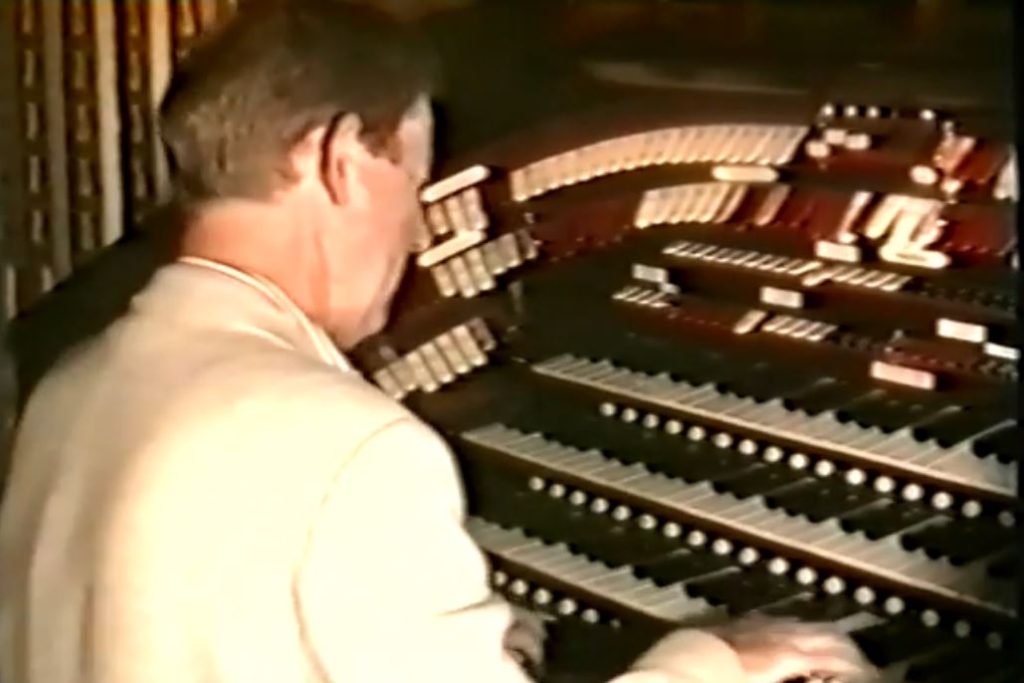
    Regent Cinema Brightons Wurlitzer Organ
    Regent Cinema Brightons Wurlitzer Organ

    A 2-manual, 9-rank Wurlitzer pipe organ with the factory opus number 2046 was the new addition to the Regent when it reopened on July 1, 1929. American-made, transported across the Atlantic, and installed in a recently renovated theater on the coast of Sussex. By then, Wurlitzer had been showing up in British theaters for roughly five years, and the organs had evolved into something of a prestige item, a sign that your venue was serious. It was obvious that Brighton’s Regent was making a statement.

    The church organs that most people grew up with were not like the Wurlitzer of the late 1920s. Its pipes were made especially to resemble orchestral instruments, such as woodwind, brass, and strings, all of which could be operated from a single console. Additionally, there were percussion effects, such as xylophones, drums, and a variety of unique sounds that could be activated to correspond with what was happening on screen. In the better theaters, the console rose from beneath the stage on a hydraulic lift, and the organist arrived as part of the show. The organist was both a musician and a performer. Now it sounds dramatic. It was just the way movies operated at the time.

    Through the 1930s and into the talkie era, Opus 2046 served that purpose at the Regent. The organ’s usefulness had long since faded by the 1960s. In 1962, the Wurlitzer was taken out of the structure. The movie theater itself continued for a while longer before closing its doors in 1973 and turning into a bingo hall in 1967. In the end, the structure was destroyed. Numerous great picture palaces in Britain met a similar fate—many of them were destroyed during the television era.

    What survived, however, is noteworthy. The organ did. After being removed, Opus 2046 ended up at Paul Corin’s Magnificent Music Machines collection in Cornwall, a mechanical music museum located at Lametton Mill in St Keyne, close to Liskeard. It was frequently played there for many years. It was a functional tool for a real audience during the summer, which is more than most rescued movie theaters can say.

    The organ’s current status is more subdued, and the public museum component of that collection closed about 2012. It is still on the property, preserved in what is referred to as the Organ Room, which has been renovated and is occasionally used for specialized presentations and events. It remains. It’s more difficult to say for sure if it’s played frequently these days. Depending on the people involved and the available resources, these things often fluctuate.

    That history contains something worthwhile. There is no longer a Regent Cinema. There is no longer a dance hall. The entire physical structure of that 1920s entertainment complex, including the orchestra pit and café, disappeared. What’s left is a two-manual pipe organ that made it through a fire, renovations, thirty-three years of continuous cinema service, removal in 1962, and a six-hundred-mile trip to Cornwall’s far end. It’s possible that someone still plays at Opus 2046 on a calm afternoon somewhere close to Liskeard. Even when no one is around to observe, it feels important.

    Opus 2046 Regent Cinema Brighton Wurlitzer Organ
    Share. Facebook Twitter Pinterest LinkedIn Tumblr Email
    Alison James
    • Website

    Alison James writes about the history of mechanical music in Britain, including polyphons, Wurlitzer theater organs, fairground organs, and the strange collections that kept them in operation. She has traveled throughout the South West for years, visiting museums, village halls, and restoration workshops. She is especially drawn to those who save instruments that no one else wanted. She discusses the site's history, including the organs, the movie theaters for which they were constructed, and the lengthy history of British music prior to the invention of charts.

    Related Posts

    Reginald Dixon and the Tower Ballroom Blackpool: How One Organist Created the Blackpool Sound

    September 22, 2026

    The Difference Between a Theatre Organ and a Church Organ — And Why It Matters

    September 16, 2026

    What Made the Regent Cinema Brighton One of Britain’s Most Iconic Picture Houses

    September 14, 2026

    Comments are closed.

    Music and History

    How to Restore a Player Piano – What It Takes, What It Costs, and What Can Go Wrong

    By Karl Shane KarlOctober 7, 20260

    A player piano that hasn’t moved in decades has an almost eerie quality. The roll…

    The Paper That Played Rachmaninov – What Piano Rolls Are Actually Made Of

    October 7, 2026

    The Difference Between a Pianola, a Player Piano, and a Reproducing Piano

    October 6, 2026

    How Player Piano Rolls Were Made – The Factory Process Nobody Talks About

    October 6, 2026

    Rachmaninov on Paper – The Piano Rolls That Preserved a Legend’s Hands

    October 5, 2026

    What Is an Ampico Piano Roll and How Did It Capture a Pianist’s Exact Touch?

    October 5, 2026

    Surviving Wurlitzer Organs You Can Still Hear Live in the UK Today

    September 29, 2026

    The Compton Organ vs the Wurlitzer – Britain’s Two Great Cinema Organ Rivals

    September 29, 2026

    Silent Films and the Organ – How Cinema Musicians Became Stars Before Sound

    September 29, 2026

    693 Organ Pipes – Inside the Mechanical Marvel That Is a Wurlitzer Theatre Organ

    September 28, 2026

    The BBC Theatre Organ – From Blackpool’s Empress Ballroom to the BBC Playhouse Manchester

    September 28, 2026

    How Cinema Organs Were Shipped From America to Britain in the 1920s

    September 28, 2026

    What Happened to Britain’s Cinema Organs When the Picture Houses Closed?

    September 22, 2026

    Reginald Dixon and the Tower Ballroom Blackpool: How One Organist Created the Blackpool Sound

    September 22, 2026

    The Regent Cinema Brighton’s Wurlitzer Organ: Where Is Opus 2046 Now?

    September 18, 2026

    The Trocadero Elephant and Castle Wurlitzer: Britain’s Largest Cinema Organ Ever Installed

    September 18, 2026

    Paul Corin Music is an independent music blog rooted in the rich heritage of British musical history. Born from the legacy of Paul Corin's Magnificent Music Machines — the world-famous mechanical music museum at Lametton Mill, St Keyne, Cornwall — this site covers everything from Wurlitzer theatre organs and Victorian music halls to contemporary pop stars and today's biggest music news.

    Useful Links
    • About Us
    • Contact Us
    • Disclaimer
    • Home
    • Privacy Policy
    • Terms of Service

    From the Mill

    Paul Corin's Magnificent Music Machines
    Lametton Mill, St Keyne, Cornwall
    1967 – 2012

    Read the mechanical music archive
    Facebook X (Twitter) Instagram Pinterest
    • Home
    • Wurlitzer Organs
    • Regent Cinema Brighton
    • Musical Heritage Attraction
    • Musical Instruments
    • Magnificent Music Machines
    • Entertainment
    • Music Stars
    © 2026 ThemeSphere. Designed by ThemeSphere.

    Type above and press Enter to search. Press Esc to cancel.