
A blurry, sepia-edged photo from about 1921 shows a Wurlitzer organ console inside a picture palace in Chicago. The auditorium’s entire corner is occupied by the instrument. Robert York, the organist, sits on the bench as if he owns the space. Because he did, in a very real sense.
This is the portion of movie history that is overlooked. The flickering images, the intertitles, and the actors’ exaggerated gestures to make up for the lack of recorded sound are typically used to explain the silent era.
The live musical apparatus that surrounds those movies is rarely given the attention it merits; for about 20 years, the theater organist was at its core. They weren’t supporting actors. They were advertized alongside the movies on marquees and were draws in and of themselves.
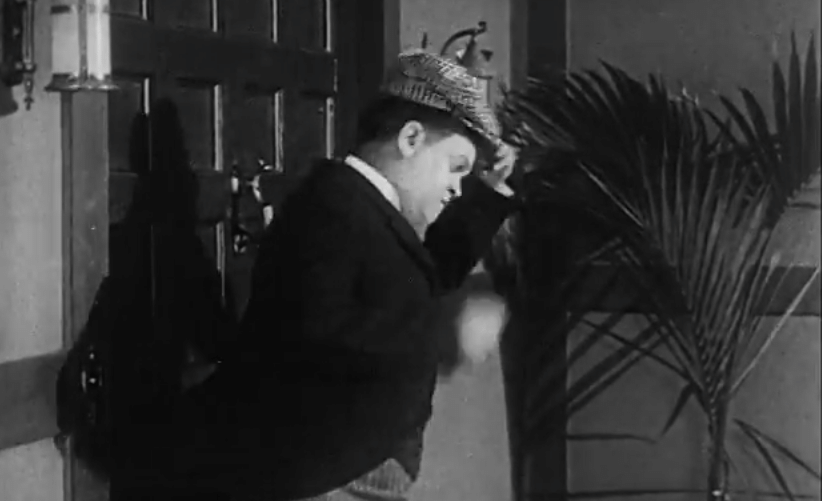
It’s important to note that the term “silent film” has always been somewhat deceptive. There has been live music since the Skladanowsky brothers’ first public movie projection in Berlin in November 1895. By the time Edison began showcasing film in the US, he had created what amounted to a rule: an orchestra should accompany exhibitions.
The music was not ornamental. It was structural. It evoked feelings, covered up the projector’s mechanical noise prevented viewers from becoming disoriented by what was, in the end, a truly bizarre novel experience.
Over the course of the following 20 years, a hierarchy of musical scale that was nearly directly correlated with the size and budget of a theater emerged. Small-town venues hired a pianist, who typically worked through sheet music at a practiced pace or improvised from memory. A small ensemble may be found in mid-sized city theaters.
The theater organ was the focal point of the musical identity of the large urban picture palaces, which had thousands of seats, carpeted lobbies, and chandeliers. The so-called “Mighty Wurlitzer” was more than just a pipe organ. It was a machine for effects.
Bass drums, cymbals, train whistles, automobile horns, surf, thunderstorms, even gunfire could all be simulated. The organist was performing a multisensory experience rather than interpreting a movie.
The technical difficulty of this could be understated. A cue sheet, a comprehensive document created by the studio or theater conductor with notes about particular scenes, moods, and the emotional beats to hit, might be used by an organist accompanying a feature film in 1920. They were more frequently improvising, reading the screen and making snap judgments about tempo and key.
Something galloping and urgent was needed for a chase scene. Something slower and more harmoniously open was requested in a love scene. It wasn’t an accident that the organ swelled at the precise moment when an actor leaned in to kiss on screen. That was craft, honed over hundreds of screenings, practiced every night.
Movies were the biggest employer of instrumental musicians in the US during the height of the silent era. When you sit with that fact, it lands differently. Bigger than venues for concerts.
Bigger than opera houses. The working musician was employed at the movie theater. The advent of synchronized sound in the late 1920s, starting with “The Jazz Singer” in 1927, altered more than just what listeners could hear. Tens of thousands of jobs were lost; many of those musicians had nowhere to go when the Great Depression struck almost immediately.
The specific cruelty of that timing is difficult to ignore. Before the majority of its practitioners had even reached their prime, the very tool that had made cinema what it was emotionally and atmospherically became outdated. It was more than just a replacement theater organ. It was sealed off and left in structures that were either completely demolished or divided into multiplexes.
A small, devoted group of performers and archivists who have never stopped caring has prevented the tradition from completely disappearing. Until just before he died in 2000, Gaylord Carter, who is frequently referred to as the final great silent film organist, continued to record and perform his scores well into his eighties.
His recordings, which can be found on DVD reissues, provide something unique: the real sound of the silent era, recreated by a person who experienced it. The piece has been carried on by modern performers like Dennis James and pianist Neil Brand, each of whom takes a slightly different approach.
Some insist on exacting period accuracy, while others let in contemporary harmonies and textures. One of the more outspoken proponents of in-era scoring, Ben Model, has stated it simply: keep the sound in that world so the film plays as it should.
A slow, low-key revival is taking place. Newly commissioned scores for “Metropolis” and “Nosferatu” are performed by orchestras. Festivals devote whole programs to silent film with live accompaniment. In the right setting and with the right performers, an inexplicable phenomenon occurs where the music synchronizes with the image and a century’s worth of distance collapses.
The movie is alive. No one can say with certainty whether that was how audiences in 1921 felt as they sat in the dark under a chandelier while Robert York continued to perform. It seems likely that it wasn’t too far off.
FAQs
1. Were silent films actually silent?
No — live music accompanied films from the very first public screenings in 1895.
2. What made the theater organ different from a regular pipe organ?
It could simulate sound effects like thunderstorms, train whistles, gunfire, and automobile horns.
3. How did organists know what to play during a film?
They used studio-prepared cue sheets or improvised live by reading the screen.
4. What happened to theater musicians when sound films arrived?
Synchronized sound eliminated tens of thousands of musical jobs almost overnight.
5. Is silent film accompaniment still performed today?
Yes — modern performers and festivals continue commissioning and presenting live scores.