
A Victorian music hall on a Friday night, with smoke hanging low over the tables, gas lamps casting orange light across crowded galleries and a woman wearing a huge hat laughing so hard she’s spilling her porter, is almost impossible to fully imagine. For millions of working-class Londoners, it was the only genuine entertainment they could find, but it was also boisterous and chaotic.
Nothing was free. Depending on the location and the time of night, a factory worker would have paid between a tuppence and a sixpence for even the cheapest seat in the gallery’s uppermost tier, which was cramped and steep.
The larger West End venues, such as the recently renovated Tivoli on the Strand and the Empire Leicester Square, began to charge higher prices by 1890. Constructed between 1888 and 1890, the Tivoli’s unusual blend of Moorish and Neo-Romanesque design was not intended for the sixpence crowd. It was intended to make an impression; making an impression back then, as it does now, was expensive for both parties.
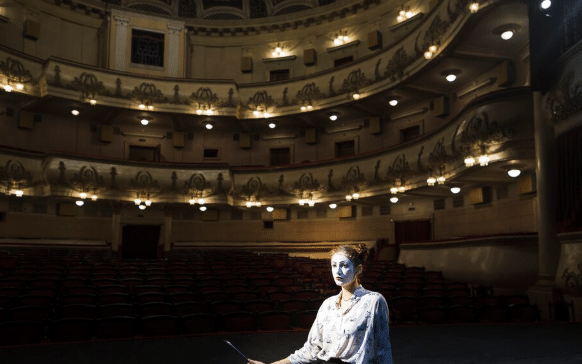
The ticket wasn’t always the true cost. It was everything that accompanied it. Unlike traditional theaters, music halls were designed to allow patrons to eat, drink, and smoke during the performance. Instead of sitting in a row of upholstered stalls, you were seated at a table. As they took orders, waiters circulated the auditorium.
The cost of a pint of beer, a meat pie, or a glass of something stronger could easily outweigh the amount you paid at the door. A good nite out at the halls with a companion probably cost a working man making thirty shillings a week a day’s wages with little effort. Even though celebrities like Marie Lloyd and Dan Leno were earning much more than that, the crowds occupying the seats were frequently counting every penny.
It’s worth taking a moment to consider that contrast. Lloyd herself justified her support for the lower-paid performers during the 1907 Music Hall Strike by pointing out that many of them were forced to perform double turns and matinees for only thirty shillings to three pounds per week. The venue owners and the biggest names at the top benefited economically from the halls. Everyone else managed to get through.
The promenade, a standing area where men of leisure could move around, mingle, and meet more colorful company at locations like the Empire and the Alhambra, was also introduced by the wealthier halls by the 1890s.
The clientele was thought to be different; access to the promenade was significantly more expensive than a gallery seat. With tuppence earning you a hard bench in the gods and a much larger sum earning you a velvet-trimmed evening with drinks and company in the promenade below, it was essentially a tiered entertainment economy operating under one roof.
Additionally, there was a sort of turning point in the halls’ appearance during the 1890s. The London Pavilion, which had marble exteriors, electric lighting, and opulent foyers, marked the start of a rebuilding wave in 1885.
These were no longer saloon bars that had outgrown their trousers. Palace-level overheads had to be covered in some way because they were palaces. Prices slightly increased. For those who could afford the full evening taxi fare there and back, a good seat, dinner, drinks, the experience grew more elaborate. It was truly amazing.
The gallery was still open for those who couldn’t. Thousands of people were housed in the upper tiers of the large halls; the noise from that area alone could cause the rafters to tremble. The most enthusiastic audiences might have been found in the least expensive seats. For this, they had saved money. They had no intention of sitting quietly.
In 1890, the price of a night at the music hall varied greatly depending on who you were and what kind of evening you were purchasing. The whole story of Victorian popular entertainment in miniature was essentially that conflict between spectacle and accessibility, between the gallery and the promenade. The hallways attempted to keep everything together simultaneously. Somehow, they were able to do it for several decades.
FAQs
Q1: How much did a cheap gallery seat cost at a Victorian music hall?
Entry-level gallery seats ran from tuppence to sixpence.
Q2: What made a night out more expensive than just the ticket price?
Food, drink, and tobacco consumed during the show often cost more than entry.
Q3: What was the promenade, and who could access it?
A standing social area in upscale halls, reserved for wealthier, higher-paying patrons.
Q4: How did the halls change physically during the 1890s?
Venues rebuilt as lavish palaces, with marble, electric lighting, and opulent interiors.
Q5: How much did top performers earn compared to lower-billed acts?
Stars earned far more, while many performers scraped by on thirty shillings weekly.