
The idea of a king sitting in the royal box, gaslight catching the gilded ceiling of a Victorian theater, somewhere backstage, some of Britain’s most well-known performers anxiously checking their cufflinks all have a subtly theatrical quality. The 1912 Royal Command Performance was more than just a fun night out. The Crown finally gave raw, boisterous, sometimes scandalous music halls their long-overdue approval.
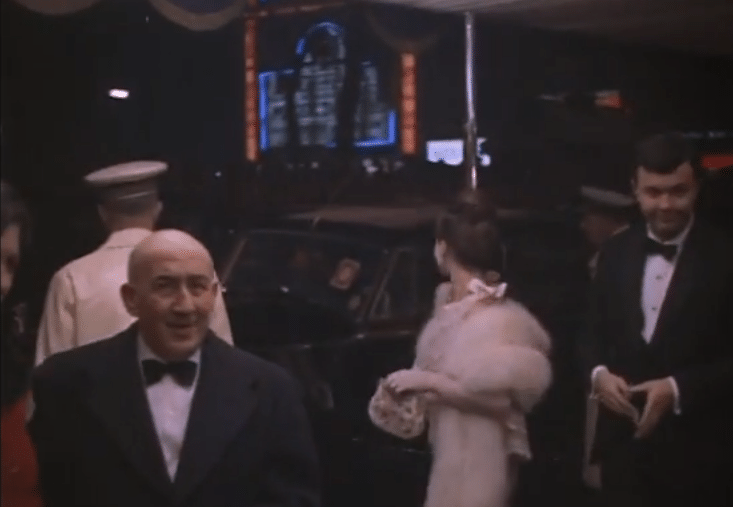
On July 1, 1912, King George V and Queen Mary attended the first real Royal Command Performance at the Palace Theater on Shaftesbury Avenue in London. The event had been planned for years, postponed by fire, death, and diplomatic disputes between Buckingham Palace and theater tycoon Sir Edward Moss. When it did happen, the theater was decorated with an almost ridiculous three million rose petals. It’s difficult to tell if that was a display of nerves or extravagance. Most likely both.
The performers selected for that evening were the best in British music hall. Vesta Tilley was a very well-known male impersonator who had made a living by entertaining audiences on both sides of the Atlantic. Known as the “Prime Minister of Mirth”, George Robey was a comedian whose knowing smirk and beetled eyebrows were nearly as recognizable as those of any politician.
Harry Lauder was a Scottish performer whose gramophone recordings were already being listened to by millions of people. Anna Pavlova, whose appearance on a music hall bill still seems a little unexpected; David Devant, the magician who had essentially reimagined British conjuring for the Edwardian era, ballet and variety sharing a stage as if to prove the occasion demanded something for absolutely everyone.
And then there was the name that was noticeably missing. The biggest star of the music hall generation, Marie Lloyd, who was genuinely adored for her songs about working-class life, was not invited. Her act was deemed too risqué; her three highly publicized and unsuccessful marriages were deemed incompatible with performing before the monarch.
According to the official reasoning, it blended professional disputes with moral anxiety. As usual, Lloyd didn’t take it well. She advertized her rival show as being “by command of the British public” and held it at a nearby theater. It was an amazing act of rebellion; it most likely received more media attention than the official event.
It’s difficult to ignore the fact that Marie Lloyd’s exclusion suggests that the Royal Command Performance was always going to be a polished, respectable version of variety that had been cleaned up and made suitable for royal consumption. This may be the reason why, even after 60 years, The Beatles’ 1963 appearance still feels so important.
John Lennon was doing something Lloyd might have appreciated when he suggested that those in the less expensive seats clap while the others just rattle their jewelry, looking out at the audience in their evening dress and jewelry. A subliminal reminder that the performers possessed their own form of power, rather than outright defiance.
Naturally, the custom has persisted over decades, with venues broadcasting eras. From George Black’s management of the London Palladium in the 1930s to the Beatles and the Supremes in the 1960s to Cher performing as the main act for the recently crowned Charles III at the Royal Albert Hall. The format endures even though the performers and royals change. A charity event, a live performance, a few anxious moments before the curtain rises.
Something is captivating about the list of names that have appeared on those stages, regardless of whether one is an admirer of the organization or just an interested bystander. It serves as a kind of record of British and sometimes American popular culture, showcasing the entertainment that each generation deemed to be the best and most presentable. A lot is revealed by the stars that were selected; sometimes even more is revealed by the stars that were conspicuously left out.
FAQs
1. When and where did the first Royal Command Performance take place?
It was held on July 1, 1912, at the Palace Theatre on Shaftesbury Avenue, London.
2. Why was Marie Lloyd excluded from the 1912 performance?
Her act was considered too risqué, and her troubled marriages made her unsuitable for royalty.
3. How did Marie Lloyd respond to being left out?
She staged a rival show nearby, billing it as “by command of the British public.”
4. What did John Lennon famously say at the 1963 Royal Variety Performance?
He asked cheap-seat fans to clap while the wealthy simply rattled their jewelry.
5. What is the broader significance of the Royal Command Performance tradition?
It serves as a generational record of which entertainers society deemed its best and most respectable.